



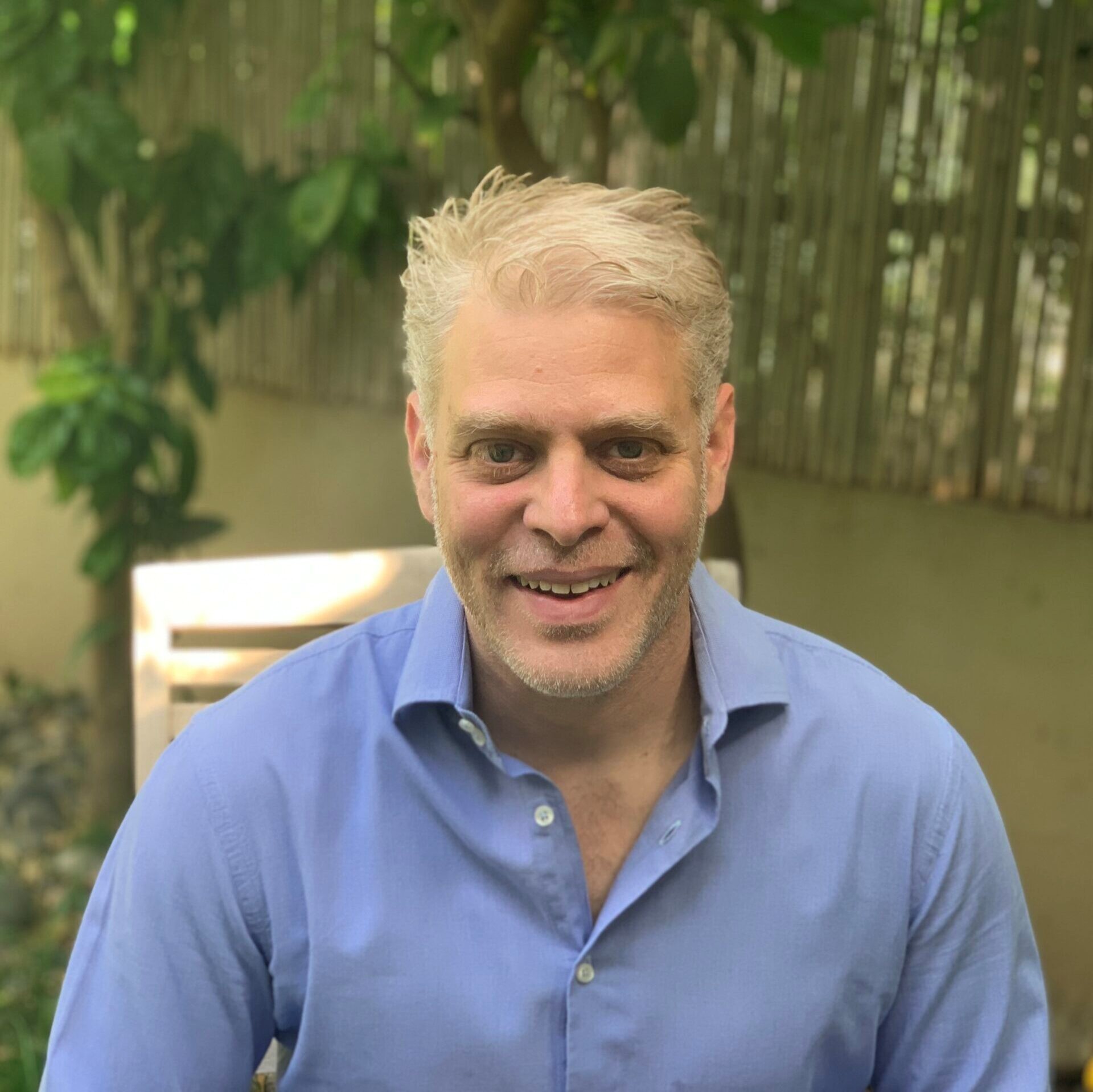

Joseph (Yossi) Keshet received the B.Sc. and M.Sc. degrees in electrical engineering from Tel Aviv University, Tel Aviv, Israel, in 1994 and 2002, respectively, and the Ph.D. degree in computer science from the School of Computer Science and Engineering, The Hebrew University of Jerusalem, Jerusalem, Israel, in 2008. From 2008 to 2009, he was a Postdoctoral Researcher with EPFL and the IDIAP Research Institute, Switzerland. From 2009 to 2012, he was a Research Assistant Professor with the Toyota Technological Institute at Chicago (TTIC), Chicago, IL, USA. Between 2013 and 2022, he was an Associate Professor with the Department of Computer Science, Bar-Ilan University, Ramat Gan, Israel. Since 2022, he has been an Associate Professor with the Faculty of Electrical and Computer Engineering, Technion—Israel Institute of Technology, Haifa, Israel. His research interests include speech recognition, speech synthesis, and speech processing.
Prof. Keshet is a member of the IEEE Signal Processing Society Speech and Language Processing Technical Committee. He has served as an Associate Editor for the IEEE Signal Processing Letters, and as an Associate Editor, Senior Area Editor, and currently Deputy Editor for the IEEE Transactions on Audio, Speech, and Language Processing. He was elected as a Distinguished Lecturer of the International Speech Communication Association (ISCA) for 2026–2027.
About Keshet’s Lab
The laboratory brings together an interdisciplinary team of researchers from machine learning, speech processing, linguistics, cognitive science, and clinical research. Operating at the intersection of artificial intelligence and speech science, the lab focuses on developing principled, theoretical, and robust computational models that treat human speech as a rich, multi-dimensional signal conveying linguistic content, speaker identity, emotion, and physiological state. Our research centers on three interconnected pillars: diffusion and flow-matching generative models for speech synthesis and enhancement; robust, adaptable automatic speech recognition (ASR) capable of operating under extreme real-world conditions; and interpretable AI algorithms designed to advance phonetic and cognitive science. Beyond building high-performance speech technologies, the lab leverages self-supervised speech representations to create objective, scalable computational tools for clinical diagnostics that directly measure motor and cognitive-linguistic markers in neurological and psychiatric disorders, including major depressive disorder, psychosis, and autism.

